
Importing High-Value IT Products: Customs Challenges and Solutions

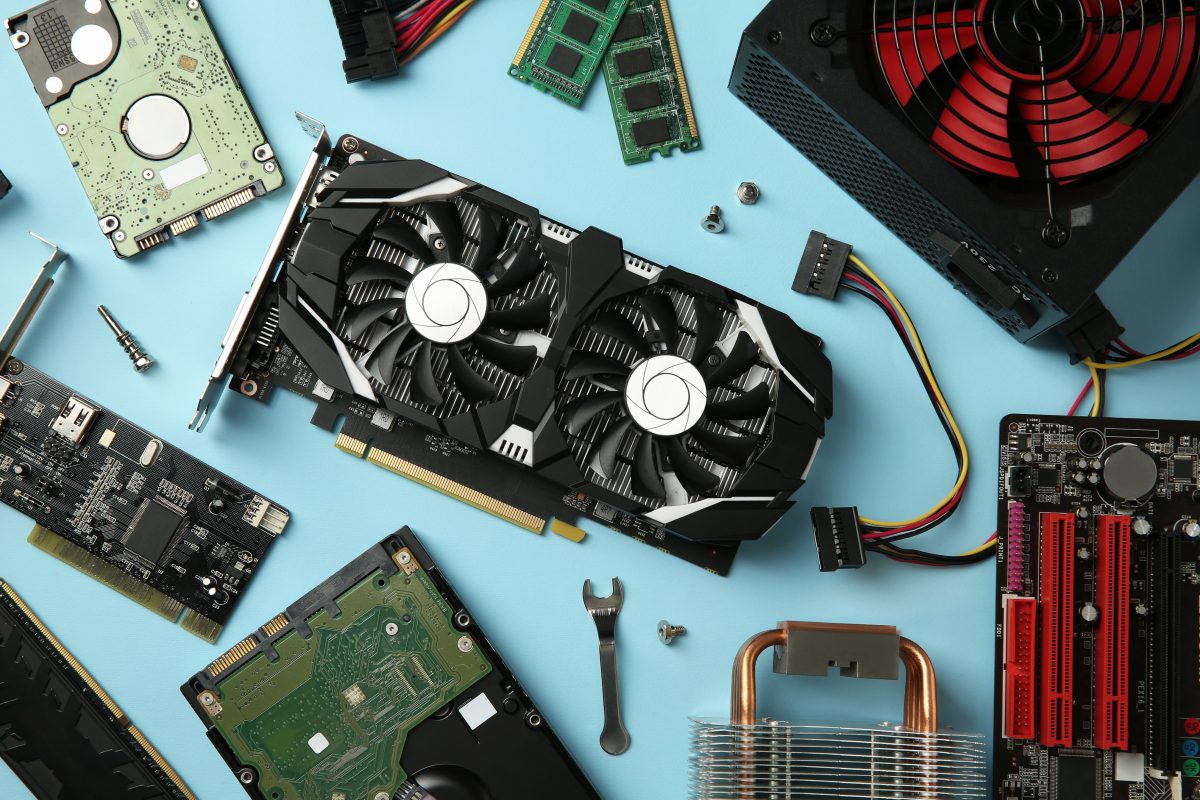
The demand for high-value IT products continues to grow across industries. Businesses increasingly rely on servers, GPUs, enterprise laptops, networking equipment, storage systems, AI hardware, and other specialised technology to support digital transformation, cloud computing, artificial intelligence, and day-to-day operations. As more organisations source these products globally, importing high-value IT equipment has become a critical part of many technology supply chains.
However, bringing these valuable electronic products into the Philippines involves more than arranging transportation. Customs compliance, secure handling, and proper logistics planning all contribute to safer, more efficient shipments.
In this blog, you’ll learn:
- Common customs challenges when importing high-value IT products
- Logistics considerations for sensitive technology equipment
- Practical ways to reduce shipment risks and delays
- How Excelsior supports compliant IT equipment imports into the Philippines
Why High-Value IT Products Need Special Handling
Although many IT products are relatively compact, they are high-value electronic assets that require careful handling throughout the shipping process. Their sensitivity, complexity, and cost make them more vulnerable to damage, theft, and delays if not managed properly.
Understanding these risks allows businesses to prepare appropriate logistics strategies before shipments begin their journey.
Common Shipping Risks
Several factors can affect the safe transport of high-value IT products, including:
- Physical damage. Improper handling during loading, unloading, or transport can affect delicate electronic components and internal systems.
- Electrostatic discharge (ESD). Static electricity can damage sensitive electronics, particularly circuit boards, storage devices, and computer components, without proper protective measures.
- Security concerns. Due to their high market value, products such as servers, enterprise laptops, GPUs, networking equipment, and storage devices require additional precautions against theft during transit.
- Improper storage. Poor stacking or unsuitable storage conditions may compromise product quality before delivery.
- Project delays. Shipment disruptions can postpone IT deployments, infrastructure upgrades, and business operations.
Customs Challenges When Importing High-Value IT Products
Despite careful shipment planning, customs clearance can still present several challenges. Businesses need more than duty and tax payments. They must also provide accurate documentation and meet import requirements to keep shipments moving.
Documentation Accuracy
Commercial invoices, packing lists, product descriptions, serial numbers where applicable, and declared values should remain consistent across all shipping documents. Even small discrepancies can result in customs inquiries or additional processing time.
Proper Classification and Duties
IT products should be classified under the correct tariff codes to determine the appropriate duties and taxes. Since different technology products may fall under different classifications, accurate product classification helps reduce the risk of reassessment or shipment holds during customs clearance.
Meeting Import Requirements
Working with an importer of record in Manila, Philippines, helps businesses manage customs responsibilities more effectively. This support can simplify documentation, regulatory compliance, and communication throughout the import process.
How Businesses Can Reduce Import Risks
Importing high-value IT products requires more than arranging transportation. Since these products are valuable and often sensitive to handling, careful planning before shipment helps reduce customs issues, delivery delays, and unnecessary handling risks.
Businesses can strengthen their IT equipment import process by following these practices:
- Prepare complete documentation. Review commercial invoices, packing lists, product details, and declared values before dispatch to help avoid customs discrepancies.
- Verify shipment information. Product values, quantities, specifications, and serial numbers where applicable should remain consistent across all supporting documents.
- Work with a licensed customs broker. Professional customs support helps businesses navigate clearance requirements and regulatory procedures more efficiently.
- Plan logistics early. Coordinating shipment schedules before dispatch helps minimise disruptions, particularly for time-sensitive technology deployments or infrastructure projects.
- Partner with experienced logistics providers. Choosing a provider familiar with high-value technology shipments supports smoother coordination from origin to final delivery.
Choosing the Right Delivery Method
Successfully importing high-value IT products does not end once customs clearance is complete. Because these products are often sensitive to handling and may form part of larger technology projects, selecting the right delivery service is equally important.
Standard Delivery
For well-packaged IT equipment that requires secure transportation to its destination, standard delivery can be a practical and cost-effective option.
White Glove Delivery
When shipments involve enterprise servers, networking infrastructure, data centre equipment, or other high-value technology assets, white glove delivery provides an added level of protection through careful handling, secure placement, and specialised delivery procedures.
Build a Smarter IT Import Strategy With Excelsior
Importing high-value IT products requires precise coordination at every stage, from documentation and customs compliance to secure delivery. Having the right logistics partner helps businesses keep shipments moving while avoiding unnecessary delays.
At Excelsior, we provide end-to-end import support for technology shipments, combining customs expertise with reliable logistics solutions. Contact our team to discuss how we can support your next IT equipment import into the Philippines.
Frequently Asked Questions
Can different types of IT products be imported together in one shipment?
Yes. Businesses can import multiple types of IT equipment in a single shipment, provided the documentation accurately reflects all products and their declared values.
Should high-value IT shipments be insured during transport?
Insurance is generally recommended for expensive technology equipment. It provides added financial protection against unforeseen events that may occur during transit.
How long does customs clearance usually take for imported IT equipment?
Processing times vary depending on shipment completeness, customs requirements, and inspection procedures. Preparing accurate documentation in advance can help avoid unnecessary delays.
Can businesses import IT equipment in small quantities?
Yes. Businesses may import small quantities of IT products, although customs requirements and applicable duties will still depend on the shipment’s declared value, classification, and purpose.
Do all IT equipment shipments go through customs inspection?
Not necessarily. Customs authorities determine whether a shipment requires inspection based on factors such as documentation, shipment details, product classification, and applicable regulations. Having complete and accurate paperwork can help support a smoother clearance process.