
Importer Facts: Choosing Your Delivery Agreement With Your Supplier – Understanding Modern Incoterms®

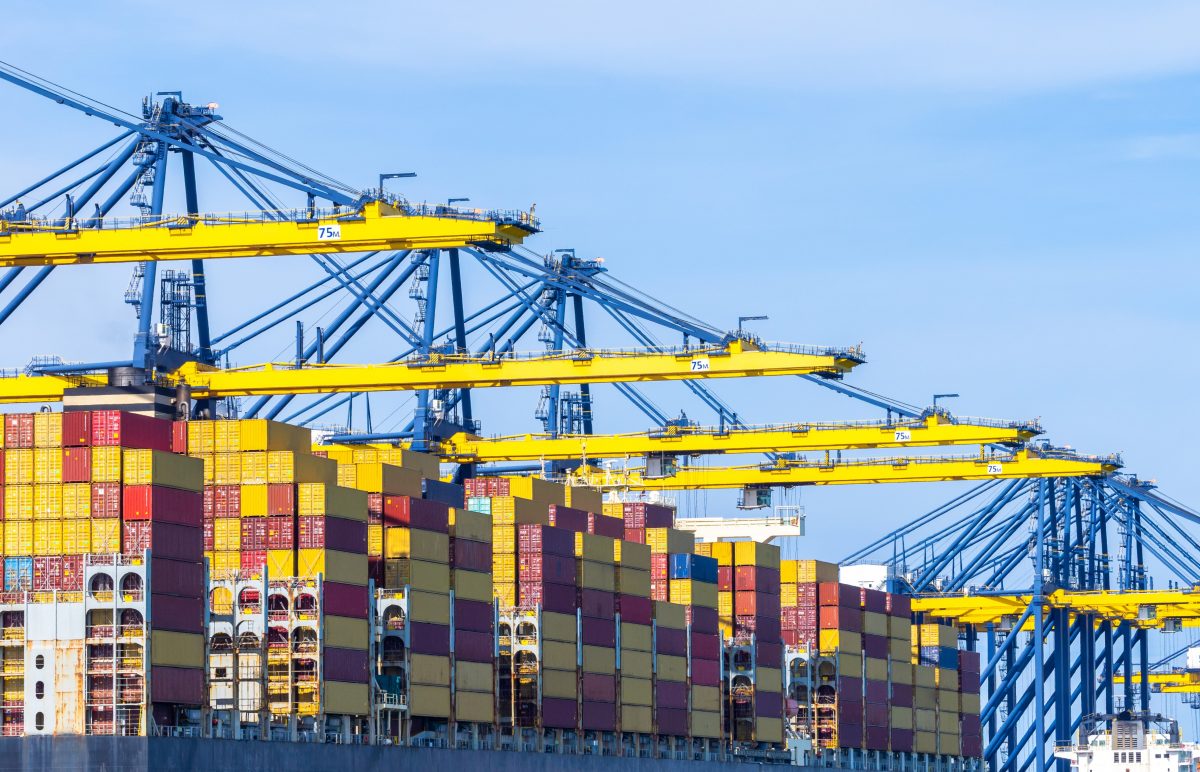
If you are planning to start an international import and export business, or you are expecting to receive or ship goods from an overseas market, choosing the right delivery agreement between you and your supplier is a critical operational decision.
To establish clear terms with overseas vendors, importers rely on Incoterms® (International Commercial Terms)—a set of standardized trade definitions published by the International Chamber of Commerce (ICC). Incoterms specify how transport costs, insurance coverage, risks of loss, and customs formalities are split between buyer and seller.
While Incoterms 2010 laid the groundwork for over a decade of international trade, global commerce has evolved. Modern supply chains now operate under Incoterms® 2020, which introduced pivotal updates to accommodate digital documentation, heightened security requirements, and changed insurance mandates.
What Changed from Incoterms 2010 to Incoterms® 2020?
Before choosing a delivery term, note these critical updates that directly impact your risk and cost structure:
- DAT replaced by DPU: Delivered at Terminal (DAT) was renamed Delivered at Place Unloaded (DPU) to emphasize that delivery can occur at any location (warehouse, factory, or site), not just a transport terminal.
- Higher Insurance Requirements under CIP: Carriage and Insurance Paid To (CIP) now requires sellers to provide comprehensive, all-risk cargo insurance (Institute Cargo Clauses A) rather than basic cover.
- FCA On-Board Bills of Lading: Free Carrier (FCA) now allows buyers to instruct carriers to issue an “On-Board” Bill of Lading directly to the seller, resolving previous issues under Letters of Credit (L/C).
- Enhanced Security Obligations: Modern Incoterms explicitly outline transport security requirements and cost responsibility for container scanning and port clearance.
Rules for Any Mode or Modes of Transport (Multimodal Cargo)
These 7 rules apply regardless of whether goods travel by air, sea, rail, road, or containerized transport.
1. EXW – Ex Works
The seller places the goods at the disposal of the buyer at the seller’s premises or factory. EXW represents the minimum obligation for the seller.
Importer Caution: EXW presents severe transport and customs clearance hurdles for Philippine importers. The buyer assumes all costs, risks, foreign export declarations, and local cartage. In practice, obtaining origin customs clearance without a local presence in the origin country is extremely difficult.
2. FCA – Free Carrier
The seller delivers the goods to the carrier (or another nominated party) at the seller’s premises or another named location, cleared for export. Once delivered to the carrier, risk transfers to the buyer. FCA is widely considered the modern, safer alternative to EXW for containerized cargo.
3. CPT – Carriage Paid To
The seller arranges and pays for carriage to bring goods to the agreed destination. However, the risk transfers to the buyer as soon as goods are handed to the first carrier. The seller is responsible for export customs clearance, while the buyer handles import clearance and duties in the Philippines.
4. CIP – Carriage and Insurance Paid To
Similar to CPT, except the seller is obligated to obtain high-level all-risk cargo insurance covering the buyer’s risk during transit. Risk transfers when the cargo reaches the first carrier, but the cost of transport and insurance is borne by the seller up to the named destination.
5. DPU – Delivered at Place Unloaded (Replaced 2010 DAT)
The seller delivers and unloads the cargo at the named destination (e.g., terminal, port yard, or buyer warehouse). The seller bears all risks and costs involved in bringing the goods to the location and unloading them. The buyer remains responsible for import clearance and customs duties.
6. DAP – Delivered at Place
The seller delivers when goods are placed at the buyer’s disposal on the arriving means of transport, ready for unloading at the named destination. The seller bears all risks and costs to transport cargo to the site, while the buyer assumes unloading responsibilities and local Philippine customs clearance.
7. DDP – Delivered Duty Paid
The seller assumes the maximum obligation, handling all freight, export clearance, import customs clearance, duties, and final delivery to the buyer’s location.
Importer Tip: Relying on overseas suppliers for DDP can complicate local tax compliance and Philippine Bureau of Customs (BOC) accreditation. Working with alicensed customs brokerunder FCA, FOB, or DAP often gives you far greater control over duties and tax declarations.
Rules for Sea and Inland Waterway Transport (Bulk & Breakbulk Cargo)
These 4 rules apply exclusively when both the origin delivery point and the destination are maritime ports. They are designed for non-containerized, bulk, or breakbulk cargo.
1. FAS – Free Alongside Ship
The seller completes delivery when goods are placed alongside the vessel on the quay or barge at the named origin port. The buyer assumes all risks and costs from that point forward and handles export clearance.
2. FOB – Free on Board
The seller delivers goods on board the vessel nominated by the buyer at the port of shipment, and handles export clearance. Risk passes from seller to buyer the moment the goods are safely loaded on board the ship.
3. CFR – Cost and Freight
The seller pays ocean freight charges to bring the goods to the named port of destination. However, the risk of loss or damage transfers to the buyer as soon as the cargo is loaded on board the vessel at the origin port. The seller clears export formalities; the buyer handles insurance and import clearance.
4. CIF – Cost, Insurance, and Freight
Identical to CFR, with the added requirement that the seller must purchase basic marine cargo insurance (Institute Cargo Clauses C) covering the buyer’s risk during sea transit. Risk transfers once the cargo is loaded on board at the origin port.
Quick Reference: Cost & Risk Transfer Overview
| Incoterm® | Export Clearance | Transport to Port | Origin Port Loading | Ocean / Air Freight | Import Clearance | Risk Transfers At |
| EXW | Buyer | Buyer | Buyer | Buyer | Buyer | Seller’s Premises |
| FCA | Seller | Seller | Buyer | Buyer | Buyer | First Carrier |
| FOB | Seller | Seller | Seller | Buyer | Buyer | Loaded on Vessel |
| CFR / CIF | Seller | Seller | Seller | Seller | Buyer | Loaded on Vessel |
| DAP / DPU | Seller | Seller | Seller | Seller | Buyer | Named Destination |
| DDP | Seller | Seller | Seller | Seller | Seller | Buyer’s Warehouse |
Modern Contract Recommendations for Importers
- Always Specify the Incoterms Year: State the exact version in your purchase order to avoid legal ambiguity (e.g., “FCA Shenzhen, China (Incoterms® 2020)”).
- Detail the Precise Delivery Location: General city names cause disputes. Specify exact addresses, port terminals, or yard numbers.
- Align Terms with Philippine Regulatory Rules: Terms like FOB, FCA, and DAP give Philippine importers direct visibility over local Bureau of Customs (BOC) processing, preventing unexpected storage, demurrage, or clearance holds. Check out our latest logistics insights and regulatory guides to stay informed.

Optimize Your Import Logistics with Excelsior
Choosing the right shipping terms protects your business from unexpected fees, insurance disputes, and border delays.
As a premier logistics provider and total supply chain partner, Excelsior Worldwide Freight Logistics Corp. provides end-to-end support for your international trade setup:
- Customs Brokerage Services: Seamless BOC import clearances, tariff advice, and tax calculations led by licensed customs brokers.
- International Freight Forwarding: Comprehensive ocean and air cargo solutions connecting you across major global trade routes.
- IOR/EOR Compliance & Logistics: Expert Importer of Record & Exporter of Record support for high-value or regulated cargo.
Have questions about international trade terms or import clearances?
Contact the Excelsior logistics team today or reach out through our channels:
- Phone: (+632) 8525-9775
- Email: wecare@excelsior.ph
- Website: www.excelsior.ph