
Importers/Exporters Primer for Break Bulk Shipment and Container Loading

If you are just new in the import/export business, then one of the first shipping methods you should get familiar with is the break bulk shipping, better known as Less Container Load (LCL). Probably it is because you are still testing the waters first, i.e., your first orders are likely to be small or, perhaps, your product’s dimensions do not fit or utilize standard shipping containers or cargo bins. Either way, knowing when to use break bulk shipment is essential as you grow your trading business.

What is Break Bulk

In the old-world context, break bulk means the extraction of a portion of the cargo on a ship or the beginning of the unloading process from the ship’s holds.

In the modern context, break bulk is meant to encompass cargo that is transported in bags, boxes, crates, drums, or barrels – or items of extreme length or size. Compared to Full Container Loading, this type of shipping involves paying for space your load takes up in a standard container.

To be considered break bulk, these goods must be loaded individually, not in intermodal containers nor in bulk as with liquids or grains.It is without a doubt the most common form of cargo ever since time immemorial. Examples of commonly shipped break bulk cargo include:

  • Bagged or sacked cargo.
  • Baled goods
  • Barrel, drums, and casks,
  • Corrugated and wooden boxes or containers
  • Reels and rolls
  • Equipment, vehicles, and components
  • Steel girders and structural steel
  • Any long, heavy, or over-sized cargo

Benefits of Break Bulk Shipment

The main advantage of this shipping method is that it allows you to move oversized, over-weight load that would not otherwise fit into a container or cargo bin. It can also be an affordable way to ship large cargo since the item will not have to be dismantled to ship

Take note, however, that even when you are not shipping over-sized cargo, break bulk shipment can still be a very advantageous mode of shipment. If you can find a freight forwarding company that specializes in break bulk, you will be able to control your shipping expense when you are shipping a small trial order.

For exporters, shipping in break bulk requires them to put an extra care in packing and labeling goods because break bulk shipments are more prone to theft and damage. Typically, break bulk cargos are packed using the following materials:

  • Pallets
  • Slip sheets
  • Crates

Container Loading

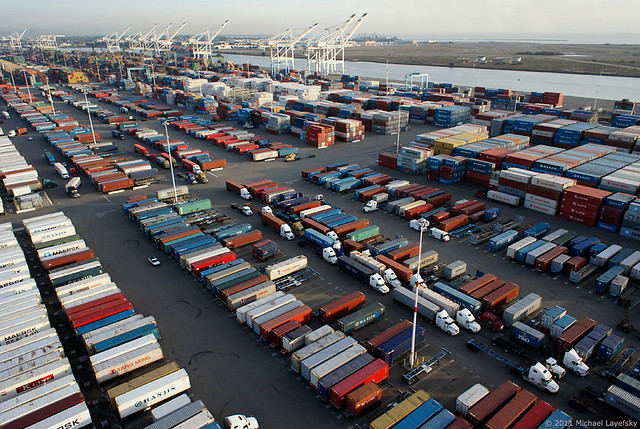
Since the late 1960s, break bulk cargo has declined while containerized cargo has grown significantly. Moving containers on and off a ship are much more efficient than having to move individual goods. This efficiency, therefore allows ships to minimize time in ports and spend more time on the sea.

There are different types of container units that cater to different types and sizes of cargo. The most commonly used by small to medium-sized importers/exporters are the 20-foot container, while large-sized companies often use the 40-foot and 45-foot containers.

The following are approximations of how many pallets or skids can into each type of containers:

  • Ten standards (40”x48”x48”) pallets can fit into a 20’ dry ocean container.
  • 22 standard (40”x48”x48”) pallets can fit into a 40’ or 40HC (high cube) dry ocean container.
  • 24 standard (40”x48”x48”) pallets can fit into a 45’ dry ocean container.

Overall, choosing between break bulk and container loading are mainly depends on the type and quantity of your goods.

Allow Excelsior Worldwide Freight Logistics Corp. to help you navigate the world of import and export. For more information on our breakbulk service, visit our website today at www.excelsior.ph. For any queries that you may have, you may call us at (063) 5259775, or send us an e-mail through wecare@excelsior.ph

Terminal Appointment and Booking System (TABS): Problem or Solution to Faster Customs Releasing?

Importers and exporters are very much familiar with how the final steps of importing in the Philippines should take place: they must for their imported articles to processed by customs, pay the necessary customs duties and fees, and the delivery of the imported goods to its final consignee can finally take place.

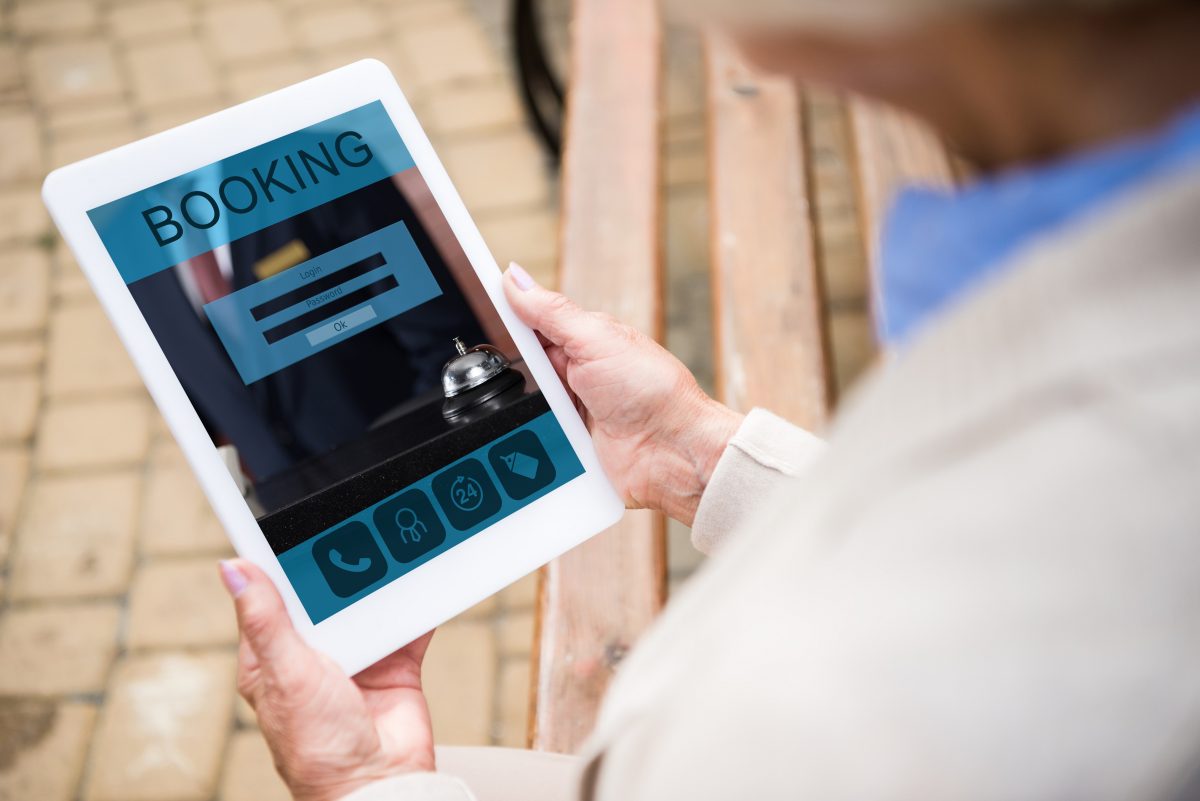
However, consignees cannot simply send their delivery trucks and trailers to the premises of Manila South Harbor and Manila International Container Terminal without booking an appointment first. And in order to do that, consignees must use the Terminal Appointment and Booking System or TABS. Went into on October 2015, this system is an electronic platform is implemented in the aforementioned ports in Manila where the majority of the importations are brought in.

The Impetus for TABS

Related image

According to its proponents, the Asian Terminals Inc. (TABS is designed to keep the movement of goods flowing at Manila’s international trade gateways. Specifically, the web-based platform serves as a platform by which brokers, forwarders, importers/exporters, and shipping line representatives to schedule the withdrawal and delivery of containers at Manila Ports based on time zones spread throughout the 24-hour period. It is also intended to be in line with the government’s truck ban, ultimately resulting in lesser road traffic and also to minimize and lessen the port congestion in such ports.

On October 22, 2015, Manila North Harbour Port Inc. CEO Richard Barclay said in a presentation at the Procurement and Supply Institute of Asia (PASIA) that TABS will benefit its stakeholders in terms of more efficient truck trips, leading to reduced cost; prioritization of cargo release and acceptance; and management of volumes, forecasting, and planning.

Criticisms Against TABS Implementation

Image result for criticizing business

While many appreciate the objective of TABS to facilitate smooth flow of traffic and goods around the ports, it also received strong opposition from various groups which includes the Chamber of Customs Brokers Inc., Professional Customs Brokers Association of the Philippines, and Aduana Business Club.

According to an interview with these groups, while TABS can significantly improve the importing process, the imposition of high fees to its end users (importers/exporters, forwarders, etc.) is simply wide of the mark because “…the TABS is an inherent part of the port operators’ mandate that is supposed to enhance their service.”

Also, despite the supposed facilitation objectives under TABS, a lot of customs brokers and truckers using the system have complained of 24-hour waiting time for the trucks to enter the ports. The groups explain that “One possible reason for the long queue to the port is the rush to avoid truck ban hours and penalties, such as that there are now overlapping of truck schedules depending on which truck arrives first.”

Moreover, the said booking platform is also inherently flawed which results for customs brokers and companies to rush. According to them, TABS has some slots with booking free and some come with absolutely no charge, which is why many trucks their way to the terminal just to avail a free booking. Outside the pier, traffic still remains rampant and is a major headache not just for commuters but also to transport and delivery providers which cause them to miss their reserved time of booking.

Regardless, this situation gives rise to the problem of delays in getting in the port and being penalized. The penalty for late arrivals (trucks that come two hours after their booked slot) is P1,625. Trucks that are not able to arrive three hours or more after their appointment will be fined for P3,251. These expenses are especially painful for smaller firms and causes a delay in the target delivery of the goods.

Overall, while the intention and aim of TABS are good but is still in need of several improvements to better cater clients and to provide an excellent customer service. There might be flaws in the system but through improvements and adjustments, it could properly and effectively achieve its goals and be able to address the issues which are related to logistics services.

Excelsior Worldwide Logistics Corp.