
High-Value Cargo Shipping: Best Practices for Secure Transport

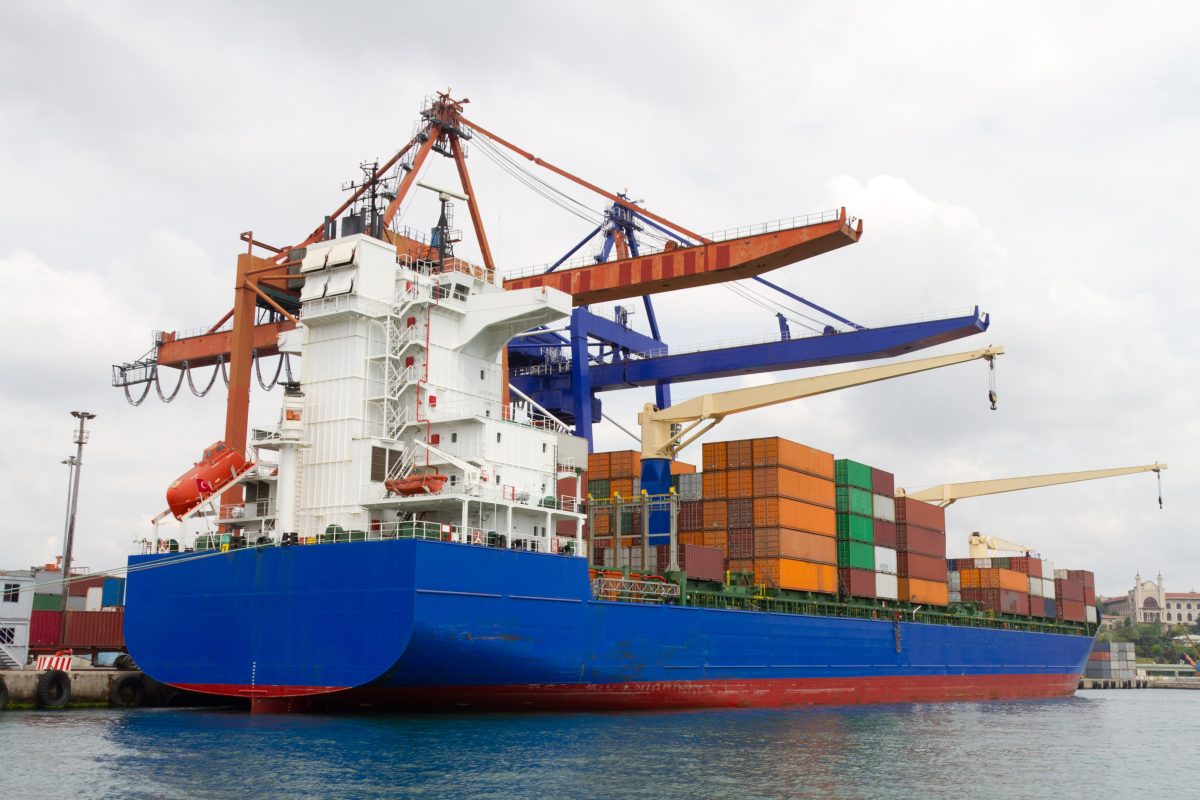
The best way to ship high-value cargo securely is to plan every stage of transport, from protective packaging and customs documentation to controlled handoffs and final delivery. These measures help reduce the risk of damage, loss, delays, and handling errors when transporting electronics, servers, specialized equipment, and other costly assets.
Even a well-packaged shipment can face problems if customs documents are incomplete, responsibilities are unclear during a handoff, or the receiving site is not ready for delivery. Understanding where these risks can occur makes it easier to build a shipping process that keeps valuable cargo protected and properly accounted for from origin to destination.
In this blog, you’ll learn:
- Practical ways to reduce handling risks for high-value cargo
- How to prepare customs requirements before shipment arrival
- When specialized delivery may be appropriate
- Why coordinated handoffs and final delivery planning matter
Greater Control for High-Value Cargo Shipments
The higher the value or sensitivity of a shipment, the greater the potential impact of damage, loss, misrouting, or delays. A secure transport plan should account for the cargo itself and every point where responsibility changes hands.
Businesses importing high-value IT products also need to consider customs requirements, secure handling, and delivery conditions before the equipment reaches the Philippines.
The goal is not simply to move cargo quickly. It is to keep the shipment controlled, traceable, and properly handled throughout the process.
Best Practices for Secure High-Value Cargo Transport
High-value shipments face different risks depending on the cargo, route, and receiving conditions. These practices can help businesses coordinate each stage before the shipment begins moving.
1. Define Shipping Requirements Early
Document the cargo and delivery requirements before requesting transport, including its value, dimensions, weight, sensitivity, and required arrival date.
Also note any temperature, vibration, or orientation restrictions. Providing receiving hours, vehicle limitations, and placement requirements early helps the logistics team plan suitable equipment and handling procedures.
2. Use Packaging Designed for the Cargo
Packaging should match the size, weight, and sensitivity of the goods. Standard cartons may not provide enough protection for fragile electronics, machinery, or specialized equipment.
Depending on the cargo, protection may include:
- Reinforced crates or cases
- Internal cushioning and dividers
- Moisture or static protection
- Tamper-evident seals
- Clear orientation and handling labels
Packaging should also allow controlled customs inspection without requiring extensive repacking. Secure closure after an inspection helps maintain protection through final delivery.
3. Reduce Unnecessary Handoffs
Every transfer creates another opportunity for cargo to be delayed, misplaced, or mishandled. When planning logistics freight in the Philippines, businesses should know who is responsible for the shipment during arrival, customs clearance, local transport, and final delivery.
Assigning named contacts can make each handoff easier to verify. Shipment documents, serial numbers, and cargo details should also remain consistent, while status updates can help teams respond quickly to delays or changes.
4. Prepare Customs and IOR Requirements Before Arrival
Secure transport can still be disrupted when import documents are incomplete or inconsistent. Before the shipment reaches the Philippines, review:
- Commercial invoices and packing lists
- Bills of lading or air waybills
- Product descriptions and classifications
- Declared values and quantities
- Required licenses or permits
An Importer of Record, or IOR, takes responsibility for customs declarations, duties, taxes, and applicable import requirements. Businesses without a local importing entity can review how IOR services work before arranging an international shipment.
Early preparation can reduce avoidable questions, shipment holds, and changes to the delivery schedule.
5. Choose the Right Final Delivery Service
Not every high-value shipment requires the same final-mile service. Standard delivery may be appropriate when the goods are securely packaged and the receiving team can manage unloading and placement.
White-glove delivery may be more suitable for fragile, technical, or particularly valuable cargo. It can provide additional coordination when equipment must be moved inside a facility, carefully positioned, or handled according to detailed site instructions.
Knowing the differences between white-glove vs. standard delivery can help businesses select a service that matches the cargo and receiving environment.
6. Plan the Final Handover
Secure transport should continue until the shipment reaches the correct receiving area. Delivery can still be disrupted if the vehicle arrives when the site is closed, unloading equipment is unavailable, or the receiving team is unprepared.
Before delivery day, confirm the site access, receiving hours, contact person, unloading requirements, and internal route. For high-value equipment, inspect and document its condition on arrival before signing off on the delivery.
Keep High-Value Shipments Coordinated From Start to Finish
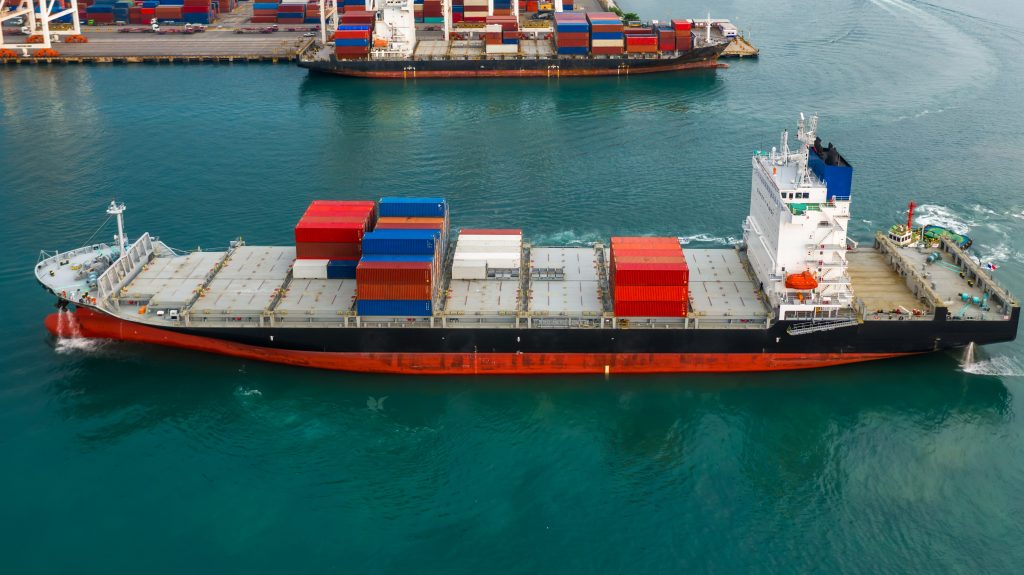
High-value cargo requires control at every stage, including packaging, documentation, customs clearance, and final placement. Planning these details together can reduce unnecessary handling and keep responsibilities clear throughout the shipment.
At Excelsior, we provide international freight forwarding, customs brokerage, IOR and EOR compliance, trucking, last-mile delivery, and white-glove services for businesses moving cargo into and across the Philippines.
Contact our team at Excelsior to discuss the handling, customs, and delivery requirements for your next high-value shipment.
Frequently Asked Questions
What cargo may need specialized handling?
Electronics, servers, data center equipment, and fragile machinery may require additional handling based on their packaging and destination.
Does high-value cargo always require white-glove delivery?
No. Standard delivery may suit securely packaged goods, while white-glove service provides added care, placement, or setup support.
Why plan for customs before shipment arrival?
Missing permits, inconsistent documents, or unclear import responsibilities can delay clearance. Early preparation helps prevent avoidable issues.
Can one provider coordinate customs and final delivery?
Yes. Excelsior offers customs brokerage, IOR and EOR compliance, freight forwarding, trucking, last-mile delivery, and white-glove services.