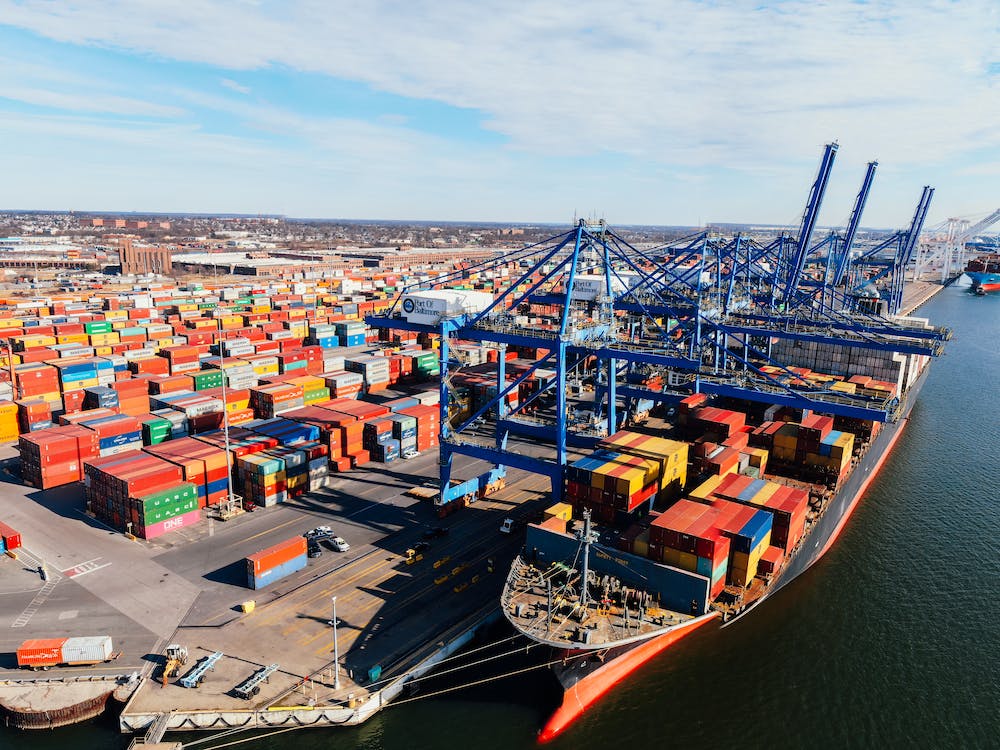
Freight Forwarding Trends 2024: Things to Expect in the Industry

Trends come and go, and the same is true with the freight forwarding industry. Its constant evolution is shaped by technological advancements, global economic shifts, and changes in consumer behavior—something to always look out for.
As we step into a new year, several leanings are poised to redefine the landscape of freight forwarding trends in 2024.
From digital transformation to sustainability initiatives, these are not only reshaping the industry but also providing opportunities for innovation and efficiency.

Freight Forwarding Trends of 2024
Take, for example, the current consumer behavior that boomed during the pandemic—online purchasing. This is one good reason and factor in predicting the industry trend for the coming years.
Businesses need to stay ahead and learn from this developing habit of consumers and also to take good care of their supply and its flow.
Counting the days to 2024, here are some of the things to expect in the freight forwarding industry:
1. Digital Transformation and Automation
In 2024, the freight forwarding industry is experiencing a significant digital transformation.
Automation technologies, such as robotic process automation (RPA) and artificial intelligence (AI), streamline processes, reduce errors, and enhance overall efficiency. Automated booking systems, real-time tracking, and predictive analytics are becoming the norm, empowering freight forwarders to make data-driven decisions and optimize supply chain operations.
2. Blockchain Integration for Enhanced Security
Blockchain technology is gaining traction in the freight forwarding sector, offering enhanced security, transparency, and traceability.
By implementing blockchain, an international freight forwarding company can address key challenges such as documentation errors, fraud prevention, and real-time visibility across the supply chain.
Smart contracts within blockchain systems enable the automated execution of agreements, minimizing delays and disputes.
3. Real-time Tracking and Visibility
In 2024, real-time tracking and visibility have become essential components of freight forwarding.
Advanced tracking technologies, including Internet of Things (IoT) devices and sensors, enable shippers and logistics providers to monitor the location and condition of goods in transit.
This level of transparency not only enhances customer satisfaction but also allows for proactive problem-solving and risk management.
4. Eco-friendly Initiatives and Sustainable Practices
Sustainability is no longer a choice but a necessity in the freight forwarding industry.
With increasing awareness of environmental issues, companies are adopting eco-friendly initiatives to reduce their carbon footprint.
Electric vehicles, alternative fuels, and optimized routing for fuel efficiency are some of the sustainable practices gaining momentum in 2024.
Freight forwarders are not only meeting regulatory requirements but also aligning with the growing demand for environmentally conscious supply chain solutions.
5. Resilience Planning and Risk Management
Global events, such as the COVID-19 pandemic and geopolitical tensions, have underscored the importance of resilience planning in the freight forwarding industry.
In 2024, companies adhere to using a guide for international freight forwarding process to help prioritize risk management strategies and mitigate disruptions.
This includes diversifying supply chain sources, leveraging technology for scenario planning, and implementing flexible logistics solutions to adapt to unforeseen challenges.
6. Collaborative Platforms and Ecosystems
Collaboration is key in the evolving landscape of freight forwarding. Digital platforms and ecosystems are connecting various stakeholders in the supply chain, fostering communication and collaboration.
These platforms enable seamless information sharing, coordination, and optimization of resources, ultimately leading to more agile and responsive supply chains.
As we navigate through 2024, the freight forwarding industry is embracing a paradigm shift driven by digitalization, sustainability, and a commitment to resilience.
Companies that adapt to these trends will not only thrive in the current landscape but also position themselves as leaders in a future that demands innovation, efficiency, and a sustainable approach to global logistics.
The convergence of technology and a forward-thinking mindset is paving the way for a new era in freight forwarding.
To learn more, read these informative articles by Excelsior.