Advantages of Being an Accredited Importer (Infographic)

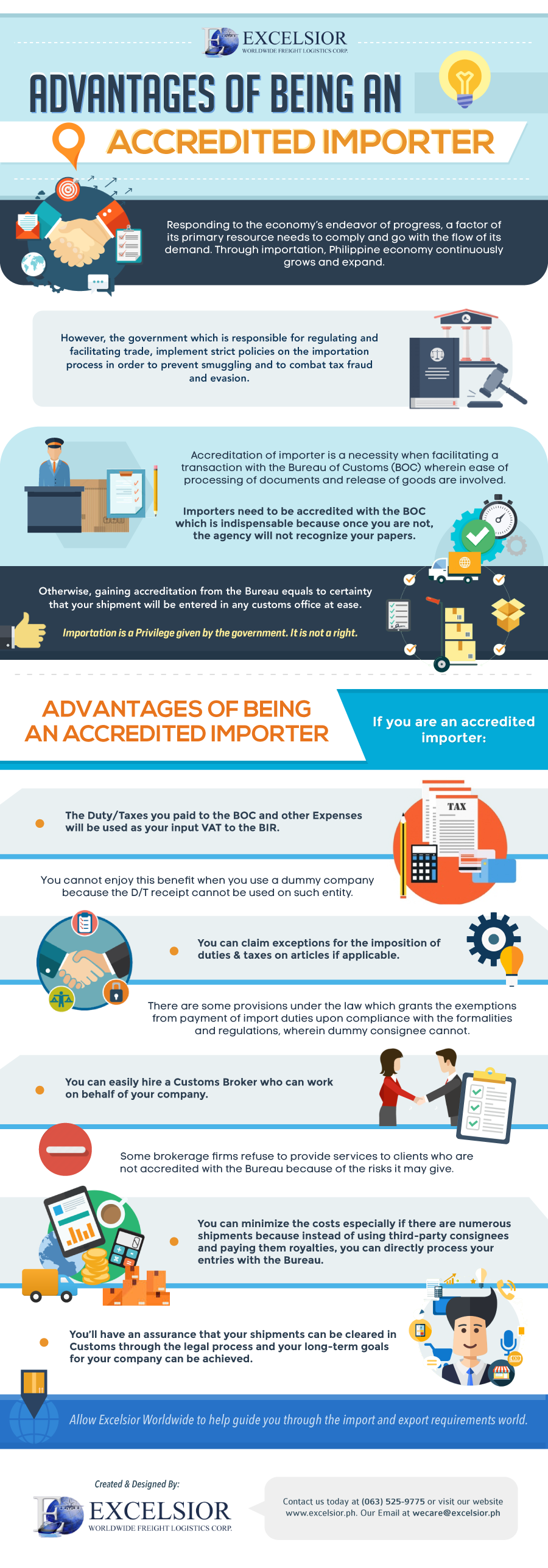
Responding to the economy’s endeavor of progress, a factor of its primary resource needs to comply and go with the flow of its demand. Through importation, Philippine economy continuously grows and expand. However, the government which is responsible for regulating and facilitating trade, implement strict policies on the importation process in order to prevent smuggling and to combat tax fraud and evasion.

Accreditation of importer is a necessity when facilitating a transaction with the Bureau of Customs (BOC) wherein ease of processing of documents and release of goods are involved. Importers need to be accredited with the BOC which is indispensable because once you are not, the agency will not recognize your papers. Otherwise, gaining accreditation from the Bureau equals to certainty that your shipment will be entered in any customs office at ease.

Importation is a Privilege given by the government. It is not a right.

Advantages Of Being An Accredited Importer

Tips to Run a Successful Importation Business

In this post, we will give you some proven tips and tricks that will surely help you run a successful importation business today.

  1. Create Your Website and Start Blogging


One of the most effective ways to find networks, potential investors, and customers is through a website. According to statistics, over 6 billion searches are being made each day, making it the most cost-effective platform you can use to market your business today.


  • Get a domain name. While it is very common for businesses to have domain names that are the same as their business names (such as walmart.com), you can pick a domain name to include any text phrase you want as long as it is not already taken.


  • Choose a website builder. Website builders are tools that typically allow the construction of websites without manual code editing. To know more about this, check this guide to choosing the right website builder.


  • After you build your business website, it’s time to fill your website with content and information relevant to your products and services. Check out this post to learn more about successful business blogging.


  1. Select a Product to Import

There are a lot of ways to select the product you want to import and sell in your locality. For example, you can import the products which are currently trending in your area but is not fully satisfied yet by the local providers.

You can also create your own product, such as handmade crafts, then source the raw materials from other countries. Whatever it is you want to sell, make sure that there is a viable market for it, and you know exactly the selling points of that product in the market.

  1. Find the Right Market

After you identified the product you want to sell, you need to pick someplace to sell it. Here are some tips to help you pick the right market for your product:

  • Know what you are offering and you will be able to determine who will be buying it.
  • Do the right amount of research. By collecting some useful data on the market situations, needs and customer’s profitability you can design marketing strategy which will work in the targeted niche.
  • Your business model matters. Running a B2B or B2C business determines the niche strategy you should develop for your import business.
  1. Find a Reputable Supplier

The easiest way to find a supplier for the product you want to import is to consult some specialized online resources: Alibaba, Global Sources, ThomasNet, Makers Row, and MFG. You can also try searching the internet for specific keywords, for example, “Taiwan, bicycle parts manufacturers” to see what is currently available online. Either way, ensure the following when choosing an overseas supplier:

  • Make sure they are a good fit for your company: provides impressive product information, packaging, process, and has a world-class reputation in the industry.
  • Make sure they have the capacity to keep up with the demand.
  • Make sure you have what it takes to out the import partnership you’re about to make.
  1. Set the Price of Your Product

Typically, importers use the cost-plus pricing method to price their import goods. In this method, the importer takes a markup percentage over cost – which is the price charged by the overseas supplier to you when you buy from them. That markup becomes your profit or commission.

The goal is to price your product with markup that will not exceed what your target market is willing to spend. The more goods you sell, the more profits you’ll generate.

  1. Find Customers

As long as your website ranks well in search engines, customers will be able to find you in the online space. However, you should also use other ways to find customers. Check with local contacts, such as trade organizations, Philippine Chamber of Commerce & Industry, embassies and trade consulates.

These organizations can provide you with contact lists specific to your industry and also suggest trade shows that are taking place locally and internationally that might help you connect with potential customers.

You can also use other digital platforms such as social media to connect with your customers in a faster and efficient manner. Facebook, LinkedIn, and Twitter are full of users seeking for products and services, so using these platforms can help you stay relevant and present to potential customers worldwide.

  1. Select a Trustworthy Freight Forwarder

Your chosen freight forwarder can make or break your import business, so choose one wisely. Excelsior Worldwide Freight Logistics Corp. is a global freight forwarder that can help you transport your import goods to where you will be selling it in an efficient and timely manner.

Our trustworthy and reliable international freight forwarding service has been the backbone of many import business in the Philippines for 16 years. Catering to different industries, our logistics service has saved all our clients a lot of time, effort and anxiety. Not only we help our clients with their transport needs, we also help them prepare all the necessary shipping arrangements to ensure a seamless import process. With our expertise in Philippine importation process, you will be able to ensure a more successful importation business than you could have ever imagined!

These are the proven tips that will help you run a successful importation business in the Philippines. If you want to learn more about our freight forwarding services, Contact Excelsior Worldwide Freight Logistics Corp. today at (+632) 525-9775 or email us at wecare@excelsior.ph.

Cargo Insurance: Top Reasons Why Your Import/Export Business Needs It!

In every type of business, it’s minimizing risk is equally important as achieving maximum return. If your business imports or exports its products, it means you’re putting an investment at stake every time you ship cargo. This is why it is extremely vital to have your cargo covered with cargo insurance because your business could lose an absolutely insane amount of money in case everything went spiraling down.

In the Philippines, under Sec.99 of Presidential Decree No. 612, also known as Insurance Code of the Philippines, a marine insurance should cover you against damages or loss on:

  • Vessels, craft, aircraft, vehicles, goods, freights, cargoes, merchandise, effects, disbursements, profits, moneys, securities, chooses in action, evidences of debts, valuable papers, bottomry, and respondentia interests and all other kinds of property and interests therein, in respect to, appertaining to or in connection with any and all risks or perils of navigation, transit or transportation, or while being assembled, packed, crated, baled, compressed or similarly prepared for shipment or while awaiting shipment, or during any delays, storage, transhipment, or reshipment incident thereto, including war risks, marine builder’s risks, and all personal property floater risks;
  • Person or property in connection with or appertaining to a marine, inland marine, transit or transportation insurance, including liability for loss of or damage arising out of or in connection with the construction, repair, operation, maintenance or use of the subject matter of such insurance (but not including life insurance or surety bonds nor insurance against loss by reason of bodily injury to any person arising out of ownership, maintenance, or use of automobiles);
  • Precious stones, jewels, jewelry, precious metals, whether in course of transportation or otherwise.
  • Bridges, tunnels and other instrumentalities of transportation and communication (excluding buildings, their furniture and furnishings, fixed contents and supplies held in storage); piers, wharves, docks and slips, and other aids to navigation and transportation, including dry docks and marine railways, dams and appurtenant facilities for the control of waterways.
  • “Marine protection and indemnity insurance,” meaning insurance against, or against legal liability of the insured for loss, damage, or expense incident to ownership, operation, chartering, maintenance, use, repair, or construction of any vessel, craft or instrumentality in use of ocean or inland waterways, including liability of the insured for personal injury, illness or death or for loss of or damage to the property of another person.

Whether exporting or importing or using an air freight or ocean freight for your international shipping, marine cargo insurance covers loss and/or damage of cargo while it is in transit between the points or origin and final destination.

Here are five reasons why your import/export business need to protect your freight with cargo insurance.

  1. Reduce Risk of Financial Loss

Whether you’re an exporter who has not been paid for the goods at the time of shipment or an importer who has paid for all of the goods prior to receiving the, having your cargo insured protects you from potential financial loss if the goods are lost or damaged during the transit.

  1. General Average – Speed up the Release of Your Cargo

In cargo insurance, general average means general loss. When the general average is declared, both the ocean carrier and the cargo owners are liable for loss or damage to all the cargos aboard in the ship, as well as the ship itself. Under this circumstance, you may be required to post a bond and/or cash deposit in order to obtain the release of your cargo following a general average – even though there was no loss or damage to your goods.

By availing cargo insurance, you take the load off your shoulder as the insurance company assumes the responsibility and expedites the release of your cargo.

  1. Contractual Requirement

If your customers obligate you through a contract to provide ocean cargo insurance, that is because they want to protect their interest and or their bank’s interest as well. This is especially true when selling goods in CIP or CIF (click the link to learn more about Incoterms). Failing to avail cargo insurance cannot only subject you to financial loss if there is loss or damage to the goods, but non-compliance with the terms of your contract with the buyer can also result in loss of sales and legal problems.

  1. Coverage for Limited Carrier Liability

By law, carriers are not fully responsible for many common causes of loss in transit e.g. Acts of God, general average, etc. In the event they are liable, their liability is also limited – either by contract stipulated in the bill of lading or by law. To make up for the limited carrier liability, the best thing that you can do is to purchase a cargo insurance.

  1. More Control Over Terms

While counting on your buyer’s or seller’s insurance may be a viable option, having a cargo insurance provides another layer of security and peace of mind. Purchasing a cargo insurance puts you on the higher ground by giving you more control over insuring terms, valuation, and limits provided by each insurer, ensuring that all these are a perfect match to your business’ needs. As an importer, purchasing your own cargo insurance saves you a lot of time and effort from dealing with foreign insurance company provided by the seller, especially from a country with a different language.

These are the top compelling reasons why you should definitely need cargo insurance for your import/export business. Want to know more? Contact Excelsior Worldwide Freight Logistics Corp. and let us help you in your journey in the import-export industry in 2026 and beyond. Call us at (+632) 525-9775 or email us at wecare@excelsior.ph.

6 Tips on How to Source Goods for Your Import Business

Knowing the products that are in-demand in the market is one thing, knowing how to source them is another. Aside from having a sufficient importing knowledge and partnering with a reliable freight forwarder, much of the success of importing operations depends on how effective you are in sourcing products for your business.

While learning the ins and outs of sourcing can be challenging, there are ways to make it more actionable for you. In this infographic, Excelsior Worldwide Freight Logistics will present to you six importing tips that will help you.

6 Tips on How to Source Goods for Your Import Business

Is Your Importation Considered a ‘De Minimis’ Shipment and Exempt from Duties and Taxes? (2026 Update)

If you are a business owner looking for effective ways to minimize importing costs in the Philippines, familiarizing yourself with the De Minimis provision under the Customs Modernization and Tariff Act (CMTA)—also known as Republic Act No. 10863—is essential.

Under Philippine Customs regulations (governed by CAO 02-2016 and updated under CAO 02-2025), goods imported into the Philippines with a Free on Board (FOB) or Free Carrier (FCA) value of ₱10,000 and below are exempt from import duties and Value-Added Tax (VAT).

Objectives of the De Minimis Provision

The Bureau of Customs (BOC) maintains the De Minimis rule to accomplish two major trade goals:

  1. Reduce Importation & Administrative Costs: Minimize customs clearance expenses and processing times for low-value shipments without compromising border control and security enforcement.
  2. Facilitate Trade Liberalization: Align Philippine customs practices with international trade agreements, modern e-commerce trends, and global trade facilitation standards.

Key Facts: Does Your Importation Qualify for Duty-Free Clearance?

To determine whether your shipment qualifies for De Minimis status, keep these critical rules and operational guidelines in mind:

1. Passenger Luggage & Balikbayan Boxes

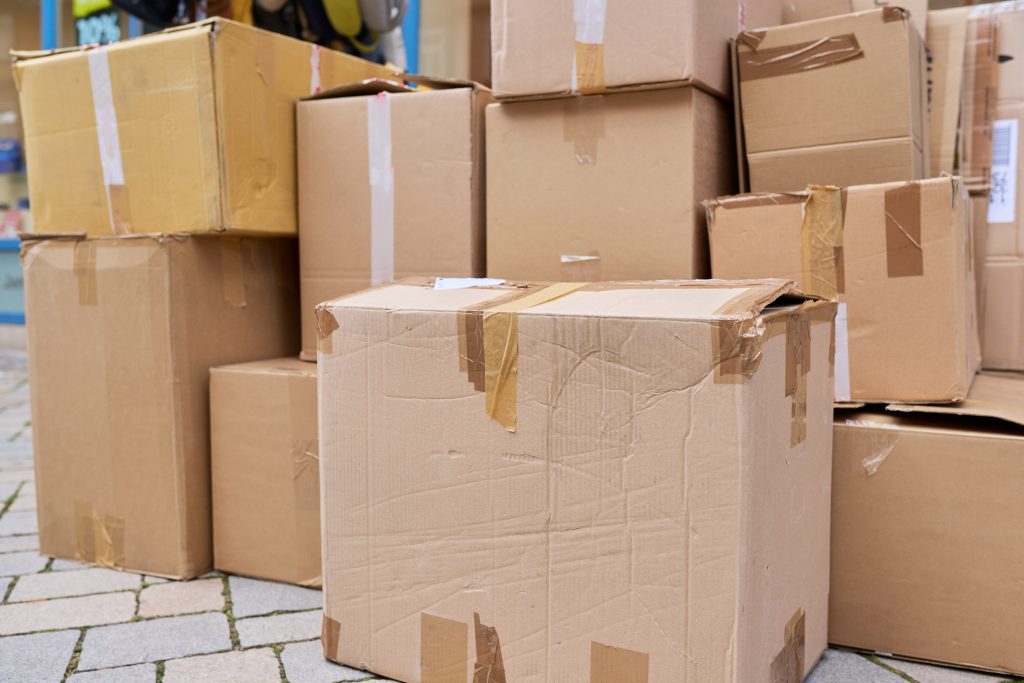
Importations brought in by traveling passengers or sent through balikbayan boxes may be classified as De Minimis if they adhere to the statutory parameters of Conditionally Free Importations.

2. Lodgment and Processing Are Still Required

Even though De Minimis goods are exempt from duties and taxes, they are not completely unmonitored. Every shipment must still be lodged and processed through a simplified electronic customs declaration system.

3. Non-Intrusive & Random Physical Inspections

To prevent the illegal entry of contraband, dangerous goods, and counterfeit items, the BOC conducts non-intrusive X-ray examinations. Customs examiners retain the right to physically inspect any package if anomalies or undervaluation suspicions arise.

4. Excise Tax Items Are Excluded

Products such as tobacco, cigars, cigarettes, wines, and spirits remain strictly subject to excise taxes, even if their declared value falls well below the ₱10,000 threshold.

5. Allowable Limits for Passenger Baggage

Tobacco and liquor products brought in by passengers that exceed the personal allowance limits are excluded from De Minimis status, even if the total value is under ₱10,000.

6. “No Commercial Value” Declarations Are Excluded

Shipments marked simply as “without commercial value” or “of no commercial value” do not qualify for immediate De Minimis release. A specific, verifiable monetary value must be declared on the commercial invoice.

7. Regulatory Permits and Clearances Still Apply

If your imported items require special permits, health certificates, or clearances from government agencies (e.g., FDA for food and cosmetics, NTC for telecommunications devices), you must still secure these approvals prior to release.

8. Strict Consolidation & Splitting Rules

To prevent tax evasion, Customs applies a strict consolidation rule. If multiple shipments addressed to the same recipient and delivery address arrive on the same day and their combined FOB/FCA value exceeds ₱10,000, the De Minimis exemption is revoked, and full duties and VAT will be assessed on the total amount.

Balikbayan Boxes

What Happens If Your Importation Exceeds ₱10,000?

Shipments valued above ₱10,000 are processed through standard customs entries:

  • Informal Entry (₱10,001 to ₱49,999): Simplified entry filing for medium-value goods.
  • Formal Entry (₱50,000 and above): Commercial importations requiring an accredited, registered importer and a licensed customs broker.

Streamline Your Philippine Customs Clearance with Excelsior

Whether you are bringing in low-value sample orders or large-scale commercial shipments, navigating Bureau of Customs regulations requires accuracy to avoid costly delays, fines, or demurrage fees.

At Excelsior Worldwide Freight Logistics Corp., we provide peace of mind through complete, end-to-end logistics solutions:

  • Customs Brokerage Services: Full assistance with BOC lodgments, formal entry processing, tariff classification, and permit applications.
  • International Freight Forwarding: Flexible air freight and sea freight options for consolidated (LCL) and full container (FCL) shipments.
  • Logistics & Trade Advisory: Guidance on maximizing trade agreements and selecting optimal shipping terms. Stay updated on trade policies through our logistics blog.

Need help assessing your import duties or clearing your shipment?

Contact the Excelsior logistics team today or reach us directly:

Types of Container Units Used for Shipping Cargo – Infographic

Aside from gargantuan cargo ships, another object that most people often associate with international shipping industry is container units. These long, rigid, metal boxes form the most integral part of the entire shipping industry- and are the structures that shippers rely on to store various types of cargos that need to be transported from point A to point B.

Having said that, a variety of container units can be used depending on the type of products to be shipped or the special features. To know which one suits best to the products your business is shipping, check out this infographic.

Types of Container Units Used for Shipping Cargo

Terminal Appointment and Booking System (TABS): Problem or Solution to Faster Customs Releasing?

Importers and exporters are very much familiar with how the final steps of importing in the Philippines should take place: they must for their imported articles to processed by customs, pay the necessary customs duties and fees, and the delivery of the imported goods to its final consignee can finally take place.

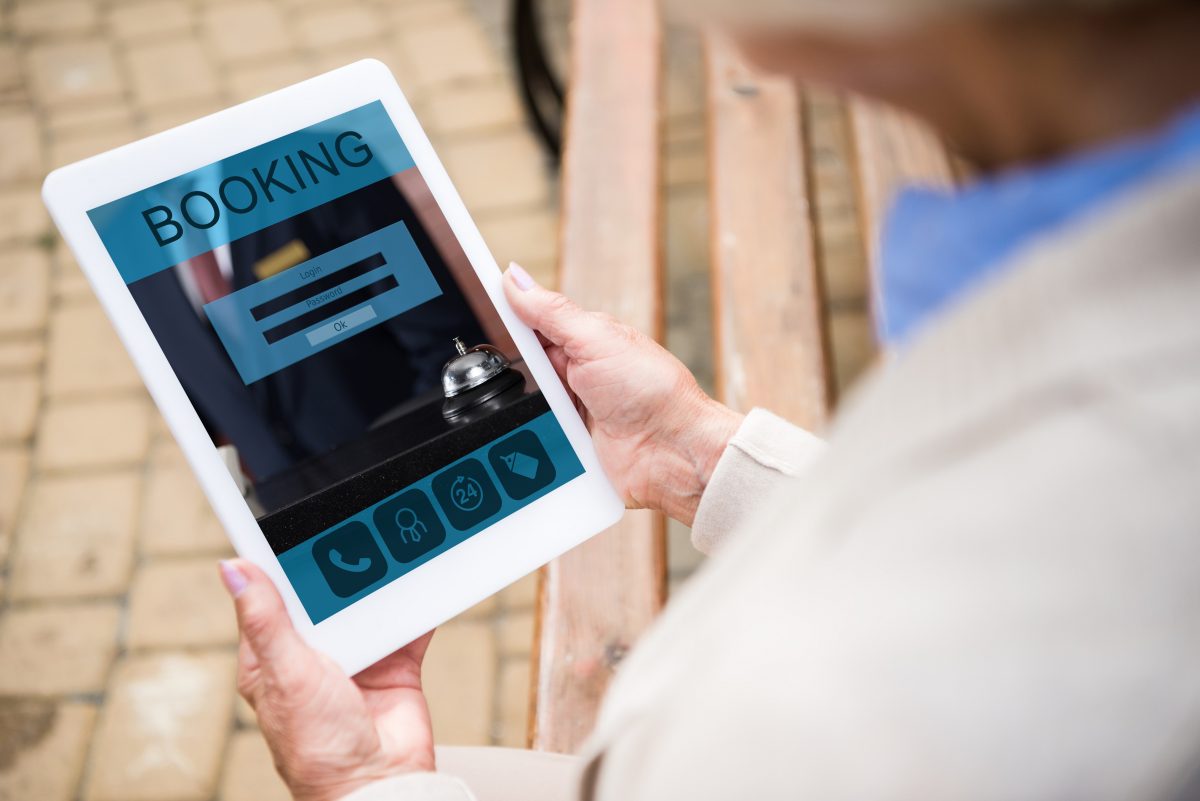
However, consignees cannot simply send their delivery trucks and trailers to the premises of Manila South Harbor and Manila International Container Terminal without booking an appointment first. And in order to do that, consignees must use the Terminal Appointment and Booking System or TABS. Went into on October 2015, this system is an electronic platform is implemented in the aforementioned ports in Manila where the majority of the importations are brought in.

The Impetus for TABS

Related image

According to its proponents, the Asian Terminals Inc. (TABS is designed to keep the movement of goods flowing at Manila’s international trade gateways. Specifically, the web-based platform serves as a platform by which brokers, forwarders, importers/exporters, and shipping line representatives to schedule the withdrawal and delivery of containers at Manila Ports based on time zones spread throughout the 24-hour period. It is also intended to be in line with the government’s truck ban, ultimately resulting in lesser road traffic and also to minimize and lessen the port congestion in such ports.

On October 22, 2015, Manila North Harbour Port Inc. CEO Richard Barclay said in a presentation at the Procurement and Supply Institute of Asia (PASIA) that TABS will benefit its stakeholders in terms of more efficient truck trips, leading to reduced cost; prioritization of cargo release and acceptance; and management of volumes, forecasting, and planning.

Criticisms Against TABS Implementation

Image result for criticizing business

While many appreciate the objective of TABS to facilitate smooth flow of traffic and goods around the ports, it also received strong opposition from various groups which includes the Chamber of Customs Brokers Inc., Professional Customs Brokers Association of the Philippines, and Aduana Business Club.

According to an interview with these groups, while TABS can significantly improve the importing process, the imposition of high fees to its end users (importers/exporters, forwarders, etc.) is simply wide of the mark because “…the TABS is an inherent part of the port operators’ mandate that is supposed to enhance their service.”

Also, despite the supposed facilitation objectives under TABS, a lot of customs brokers and truckers using the system have complained of 24-hour waiting time for the trucks to enter the ports. The groups explain that “One possible reason for the long queue to the port is the rush to avoid truck ban hours and penalties, such as that there are now overlapping of truck schedules depending on which truck arrives first.”

Moreover, the said booking platform is also inherently flawed which results for customs brokers and companies to rush. According to them, TABS has some slots with booking free and some come with absolutely no charge, which is why many trucks their way to the terminal just to avail a free booking. Outside the pier, traffic still remains rampant and is a major headache not just for commuters but also to transport and delivery providers which cause them to miss their reserved time of booking.

Regardless, this situation gives rise to the problem of delays in getting in the port and being penalized. The penalty for late arrivals (trucks that come two hours after their booked slot) is P1,625. Trucks that are not able to arrive three hours or more after their appointment will be fined for P3,251. These expenses are especially painful for smaller firms and causes a delay in the target delivery of the goods.

Overall, while the intention and aim of TABS are good but is still in need of several improvements to better cater clients and to provide an excellent customer service. There might be flaws in the system but through improvements and adjustments, it could properly and effectively achieve its goals and be able to address the issues which are related to logistics services.

Ideas for More Efficient & Productive Brokerage Operation

Efficiency and productivity are two of the most important metrics that business owners are determined to achieve both on a short- and long-term basis. And this is especially true in the brokerage industry. Because of the complexity of international trade, along with other intricacies in the industry, managing a customs brokerage firm can be really challenging sometimes.

That said, to provide the maximum level of service quality, customs brokers must ensure a fast and efficient process. To help you with that, consider these tips that will help boost the efficiency and productivity of your brokerage operation today.

1. Take Advantage of Digital Tools

We’re practically living in the future, so do not fail to take advantage of the technological tools that can help streamline your business’s operations.

New digital tools such as track and trace apps, web reporting, document imaging, electronic billing, etc., make it easier to submit documents to your clients, track the movements of goods, manage paperwork more efficiently, and stay up to date with the latest news in the international trade.

Though they require significant upfront investment, equipping your business with digital tools will surely pay off in the long run.

2. Find Ways to Lower Import Cost

As a broker, it is not only your job to get the shipments to their final destination legally, but also give your clients more chance save significant money in the shipping process. You should always seek ways to legally reduce the import cost.

For example, you need to be aware of certain goods that may qualify for preferential access, granted under Preferential Trade Agreements. In this circumstance, import tariffs are significantly reduced, helping your client to reduce their importing expenses.

3. Keep Your Records Up-to-Date

Brokerage companies must always keep a well-maintained record of all shipments, from procurement to payment for seven years. This includes documents such as invoices, shipping records, proof of origin, markings, value adjustments, and others.

4. Choose a Niche to Specialize In

Selecting a niche to focus on will help you develop a specific domain expertise that your competitors won’t have. A niche can be a country or region, a specific industry like automotive or garment, a specific mode of transportation like ocean or trucking, or specific service levels like high interaction, high compliance or lowest cost. It could also be the size of clients you want to have business with.

5. Stop Working with Carriers that Under-Perform

For sure, all brokerage company will encounter a few occasion problems on their operations, but it is when the failure of the service become chronic that you have to consider dropping the carrier from your timetable.

Carriers who don’t deliver on their promise will not only affect your reputation but will also keep you from having loyal customers. While it’s one thing to give them a second chance, you need to draw the line before the problems affect your own business.

6. Outline the Scope of Your Service

To avoid disputes with your clients, you need to clearly outline your duties and responsibilities as a broker. In doing so, you also give them a clear idea of the scope of your service. For instance, when they ask for your expertise about a very specific case, you must tell them outright if the cost of such services (consulting) is already included in the regular brokerage fee or if they are charged additionally.

7. Stay Updated

International trade is always changing. So, to avoid accidental non-compliance, you must keep up with the latest rulings, trade news, regulatory changes, and cross-border issues which can impact your and your client’s business. It is also advisable if you attend educational events such as compliance and risk management seminars regularly. These events will not only help you improve your knowledge but also give you the chance to expand your network.

8. Be Responsible and Trustworthy

As a broker, you are tasked to represent your client to the best of your abilities – and this includes full adherence to applicable customs laws. If you fail to observe these laws while doing business on behalf of your clients, it can result in irreversible damages, delays and revenue losses. Worse, it can damage the reputation of your brokerage firm and of your client.

You must know your scope of authority, make effort to improve your skills and conduct internal audits to improve operational efficiency. An honest broker also provides accurate data and discloses any false or misleading information to their client.

These are just some of the ways to ensure that the productivity and efficiency of your brokerage firm are always at the optimum level. Need a helping hand on starting your import and export business today? Contact Excelsior Worldwide Freight Logistics Corp. and let us help you in your journey in the import-export industry this 2017 and beyond. Call us at (+632) 525-9775 or email us at wecare@excelsior.ph.

Tips to Grow Your Import/Export Business

Starting an import and export business is one thing; knowing how to grow it from the ground up is another. It is true that this line of business can be so rewarding. But just like any other venture, import/export also requires you to effectively move within the intricacies of its internal and external environment.

For the most enlightened part of the import and export business, having the right idea, the right amount of capital, and the right tools and knowledge are the three basic components of success. Given that you have already established the import-export business you wanted to pursue, the next thing that you should do next is to learn how to grow your business in a smart way.

In this post, we will discuss the top five tips to keep your import-export business running and thriving in 2017 and beyond.

1. Build Relationship

Perhaps the most obvious one. While the success of a business relies on relationship – whether with suppliers or customers – not all business owner knows this. If you are just starting out in your import-export business, then you should make networking with people in the countries you wish to export to one of your top priorities.

You can make use of social networking sites such as LinkedIn to help you with this task. It is a great place where many business owners engage with each other these days, as it allows you to expand your network and build a reputable name for your brand.

Also, while it is important to build a relationship with your suppliers, clients, and your own employees, you must not forget about those helping you with the logistics of your import-export business – your freight forwarder. If you don’t have a freight forwarder you trust, Excelsior Worldwide Freight Logistics Corp. is ready to be your partner and use our years of experience in importing and exporting to help you.

2. Keep Your Business Organized

In any kind of business, efficiency and organization and management are a must to ensure that all the company’s resources are maximized and help you reach your desired goals. This is especially true in the import and export industry, where you will most likely deal with different trading partners from different regions.

To keep your business organized and make sure you don’t get lost on track with your international dealings, make sure to use online tools to your advantage. This could range from to-do apps such as Trello, Evernote, and Wunderlist, to online invoicing platforms such as Due, Sighted and Invoicera. The advantage of using an online invoicing service over email is that it keeps all your payments administration and communication in one place, plus it allows you to work collaboratively with your clients despite geographical constraints.

3. But Keep It Flexible

Dealing with different clients and suppliers around the world also mean encountering and managing different cultures and preferences in doing business and completing transactions. It is important to keep your business adaptable and to work with your clients regarding their preferred modes of delivery and payment options. Doing so will allow you to build a stronger relationship with your clients which is essential to your business’s success.

4. Ensure a Healthy Cash Flow

Just as important as an organized business is an efficient cash flow. Even if you know to yourself that you are perfectly profitable and have a number of pending payments and potential clients in the pipeline, it is still good to have a solid pool of working capital at hand to help your business manage cost when payments get delayed for any reason.

If you are exporting, you may consider asking your clients to pay at least half of the payment first before sending a lot of high-value product. Remember: facilitating a payment of an invoice, we take on all the risk of late payment – or worst, non-payment of that transaction.

5. Consider Improving Instead of Expanding

While most busin ess people would want to expand their business to different regions, this is not the smartest thing to do for most of the time. If you export to China, there is nothing wrong with wanting to export to New Zealand, Japan, and European countries too. But as you spread your operations to those other countries, you must consider if your current business model can provide the same service you were giving to your clients in China.

Focusing in on how you can further improve the services you provide to your current customers and how you can be more effective in a region to which you already export can be much more profitable than exporting to a new region. Focus on what you do best first in order to ensure that your business is standing on a very strong foundation. This will result in expanding your client base in a region which you currently serve, and makes exporting to other regions much easier.

As the old adage goes: “Growth is never by mere chance; it is the result of forces working together”. To ensure that all your efforts will come to fruition, you must know how to steer your organization – from the employees up to top-level executive – towards a common a goal. Make sure to consider these tips and you will surely propel your import and export business forward into success.

Need a helping hand on starting your import and export business today? Contact Excelsior Worldwide Freight Logistics Corp. and let us help you on your journey in the import-export industry in 2017 and beyond. Call us at (+632) 525-9775 or email us at wecare@excelsior.ph

Excelsior Worldwide Logistics Corp.